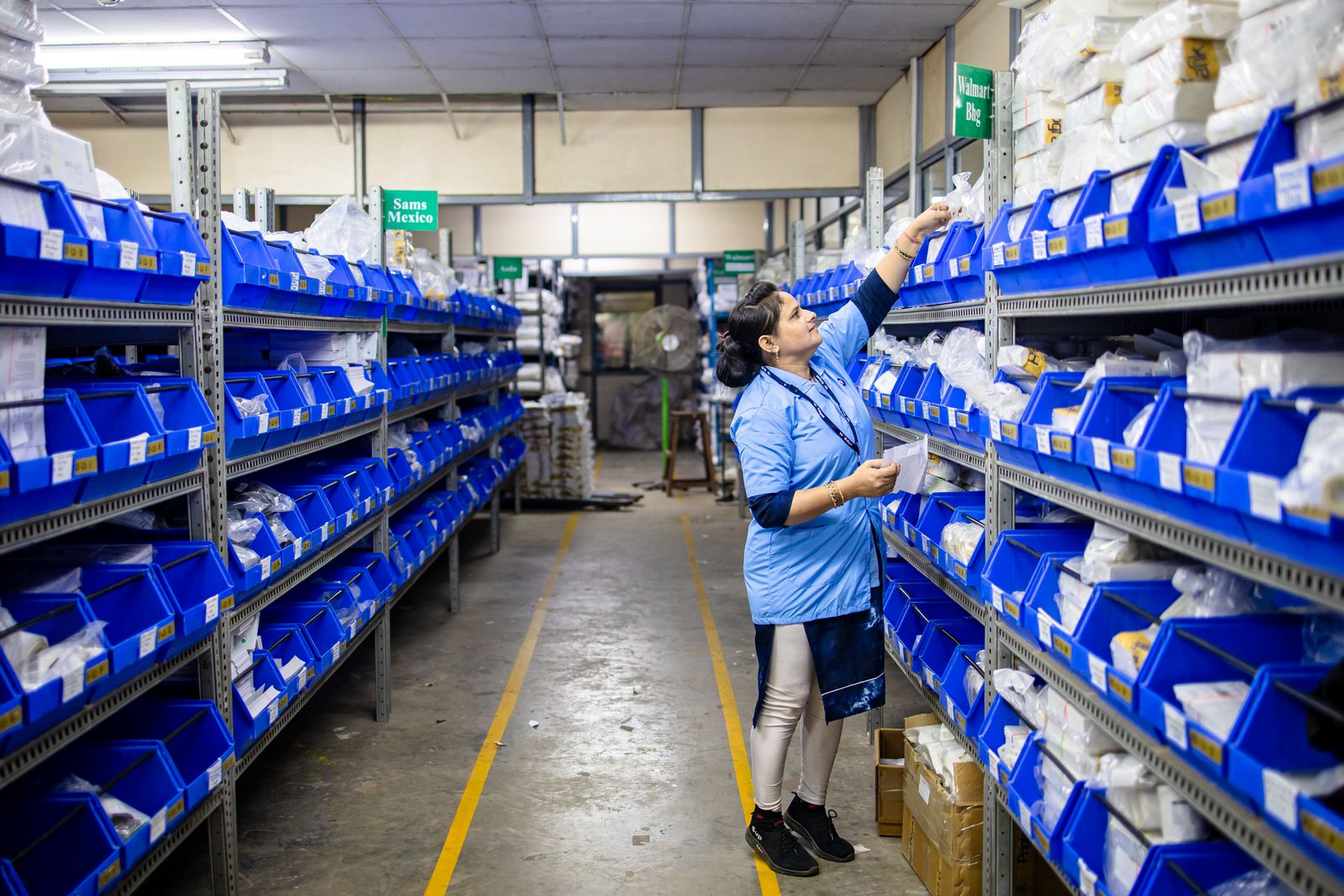
Implementing a logistics ERP with integrated WMS and TMS is one of the most complex technology projects a sector company can undertake. Its potential impact is also among the highest: operational efficiency improvements, error reduction, and complete supply chain visibility. This guide provides the complete map for tackling it successfully.
Phase 1: Analysis of Current Logistics Processes
Process analysis is the most important investment in the entire project. Incomplete operational mapping will inevitably generate configuration gaps that are discovered in production — always at the worst moment. The analysis must document: inbound goods flows (receipt, verification, putaway), order preparation processes (picking, packing, labelling), transport management (route planning, vehicle assignment, tracking), returns and incident management processes, and associated financial flows (invoicing, accounting, debt management).
Inbound Processes
Goods receipt: how do purchase orders arrive in the system? Is there quality verification? How are discrepancies handled?
Outbound Processes
Order picking: what picking methodology is used? Is there batch or expiry management? How is packing and labelling handled?
Transport Processes
Own fleet, subcontracted, or mixed? How many different carriers? Is there integration with their tracking systems?
Financial Processes
How are delivery notes and invoices generated? What per-client rates exist? Are there variable surcharges (fuel, weight, zones)?
Phase 2: Platform Selection — Differentiating Criteria in Logistics
In logistics, the most relevant selection criteria are: native WMS capabilities (location management, radio frequency, FIFO/FEFO/LIFO support, kitting), TMS module power (route planning, GPS integration, mobile driver portal), integration with external carriers (for automatic tracking and delivery confirmation), and complete traceability capability by batch or serial number. Not all generalist ERPs have these capabilities in depth.
65% of logistics ERP projects that exceed the initial budget do so because the initial process analysis was not sufficiently thorough. Investing in analysis is the project's best economic decision.
Phase 3: Go-Live Planning — The Most Important Risk
The go-live of a logistics ERP must be planned to avoid peak activity periods. The inventory migration to the new system is the most critical moment: it requires a complete, validated physical inventory before migration, a parallel running period of at least 2 weeks where both systems run simultaneously, and a technical support team available 24/7 during the first 5 days of live production.
Post-Implementation Monitoring KPIs
OTD (On-Time Delivery)
Percentage of deliveries made within the committed timeframe. Post-implementation target: improvement of 5–10 percentage points in 6 months.
Inventory Accuracy
Difference between system inventory and actual physical inventory. Target: less than 0.5% discrepancy.
Warehouse Productivity
Lines picked per hour per operator. The system should improve this indicator 15–25% through optimised picking routes.
Cost per Shipment
Total transport cost divided by number of shipments. The TMS should identify consolidation opportunities that reduce this cost.
Want to analyse your logistics processes and design the most suitable ERP implementation for your operation? Request a free consultation .