Retail has changed more in the last five years than in the previous two decades. Consumers don't distinguish between online and physical channels: they expect to see real-time stock before visiting the store, return online what they bought in-store, and receive a personalised experience based on their purchase history. Modern retail management software makes all this possible for businesses of any size.
The traditional point-of-sale model (cash register with legacy software, Excel inventory management, and cardboard loyalty cards) is no longer competitive. Chains that have adopted modern management platforms report a 23% reduction in inventory management costs and an 18% increase in average basket value thanks to personalisation.
What a Complete Retail Management Software Must Include
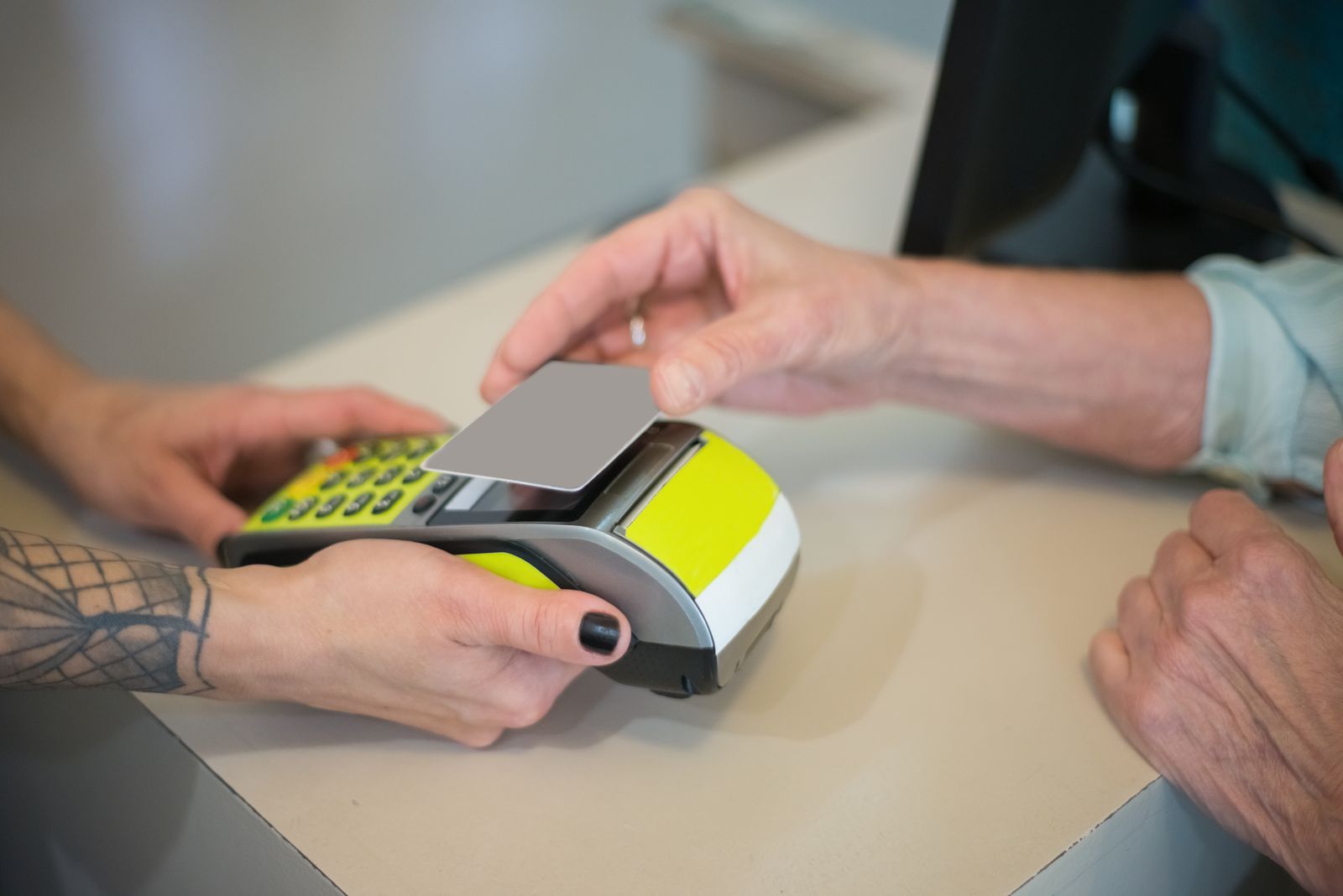
Cloud POS with Real-Time Inventory
Point-of-sale system that instantly updates stock across all channels when a sale is made, without manual end-of-day reconciliation.
Sales and Behaviour Analytics
Automatic sales reports by hour, product, category, and sales associate. Real-time identification of fast and slow-moving items.
Integrated Loyalty Programme
Points accumulation and redemption, personalised vouchers based on purchase history, and automatic communications for birthdays and anniversaries.
Customer Management (Retail CRM)
Complete purchase history per customer, preferences, size, favourite colour. The foundation for personalising the shopping experience.
Most Widely Used Retail Platforms in Spain
Lightspeed Retail is the most popular option for mid-sized retailers for its analytical power and omnichannel support. Shopify POS has become the standard for brands that want to manage physical and online stores from a single platform. Square is ideal for small businesses for its simplicity and competitive pricing. For large stores or multi-location chains, systems like Microsoft Dynamics 365 Commerce offer the advanced features required.
Retailers that manage inventory in real time reduce stockouts by 34% and improve customer satisfaction by 22% compared to those using manual or periodic inventory systems.
The Key: Integration Between Physical and Online Store
The biggest technological challenge of modern retail is integration between the physical and digital channels. A customer who buys online and returns in-store, or who buys in-store and requests home delivery, generates transactions that must be perfectly synchronised. The systems that resolve this best are those born as native omnichannel platforms, not those that attempt to connect a POS and an online store after the fact.
Want to modernise your retail business management system and make the leap to the omnichannel model? Contact our team .