An SME with 30 employees cannot afford an in-house CISO or a team of security analysts. Yet cyber threats don't discriminate by company size. Cybersecurity as a Service (SECaaS) resolves this dilemma: access to enterprise-level security capabilities through a specialised external provider, at a predictable monthly cost.
The average cost of a cybersecurity incident for a Spanish SME (including recovery, business loss, and reputational damage) ranges from €50,000 to €200,000. Against that risk, a mid-level managed cybersecurity service costs between €500 and €2,000 per month, depending on the size of the business and level of coverage.
What a Managed Cybersecurity Service for SMEs Includes
24/7 Monitoring
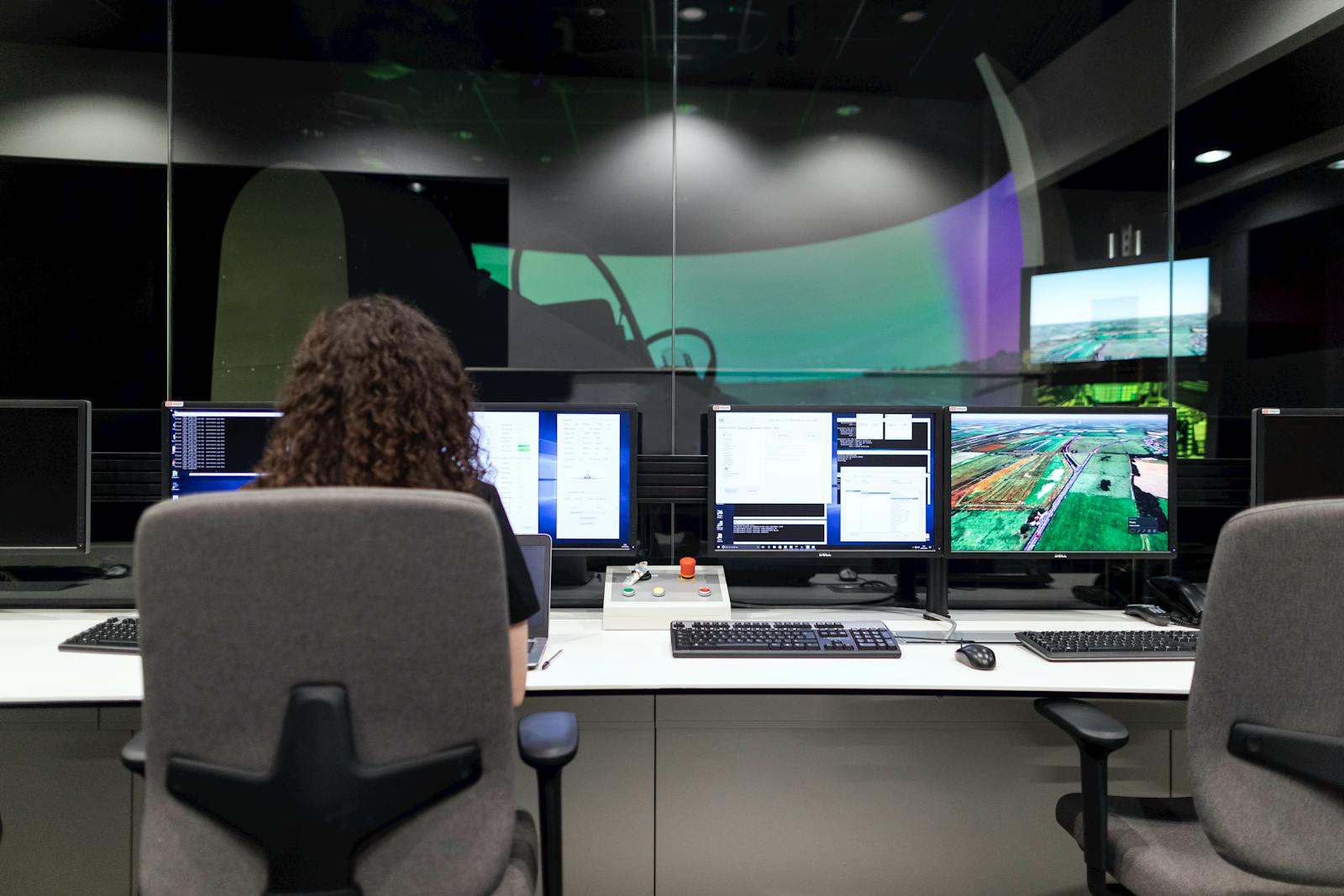
An external SOC (Security Operations Centre) monitors your network and systems in real time, detecting and responding to incidents outside business hours.
Managed EDR
Endpoint Detection and Response solutions on all company devices, with behavioural analysis and automatic threat response.
Vulnerability Assessments
Regular infrastructure scans to identify vulnerabilities before attackers exploit them.
Training and Phishing Simulations
Employee awareness programmes and phishing attack simulations to measure and improve human resistance to attacks.
MSSP vs. In-House Security: The Analysis for SMEs
A junior cybersecurity analyst in Spain has a salary cost of €35,000–45,000 per year. To cover security 24/7 you need at least 3–4 people. The total cost of a minimum in-house security team exceeds €150,000 annually, not counting tools, ongoing training, or recruitment costs (very high given the scarcity of cybersecurity talent). A quality MSSP (Managed Security Service Provider) for a 50-person SME costs between €12,000 and €30,000 per year.
The average time to detect a security breach in companies without active monitoring is 197 days. With an MSSP with 24/7 SOC, that time drops to under 30 minutes.
How to Choose a Managed Cybersecurity Provider
The most important criteria are: incident response time SLA (the target should be under 1 hour for critical incidents), SOC capabilities (team size, shifts, SIEM tools used), sector experience (some sectors have specific regulatory requirements such as ENS for public entities or PCI-DSS for payments), and reporting transparency (you must receive monthly reports on incidents, detected vulnerabilities, and actions taken).
Want to find out your company's cybersecurity risk exposure level and which service you need? Contact our team .